When does entertainment become exploitation?
This blog will argue whether the entertainment industry should be able to continue the oppression of marine mammals.
Marine Mammals
Water covers more than 70 percent of the Earth’s surface, mostly as oceans. These vast waters support thousands of different marine animals, some of which unfortunately end up being exploited for the entertainment industry for the rest of their lives. This blog will argue why the manipulation and mistreatment of marine life for the entertainment industry is unnecessary and should be discontinued completely. Many, like myself, have been to theme parks, circuses, festivals, or even rodeos, where people are using animals for performances and competitive sports. For most, this seems like a normal encounter because we have become desensitized to the overall harm, but this is far from normal; these animals deserve to be living freely in their natural habitat, with their herds and pods, without being forced to perform tasks or being used for entertainment.
Who pays the price for Marine Mammal Entertainment?
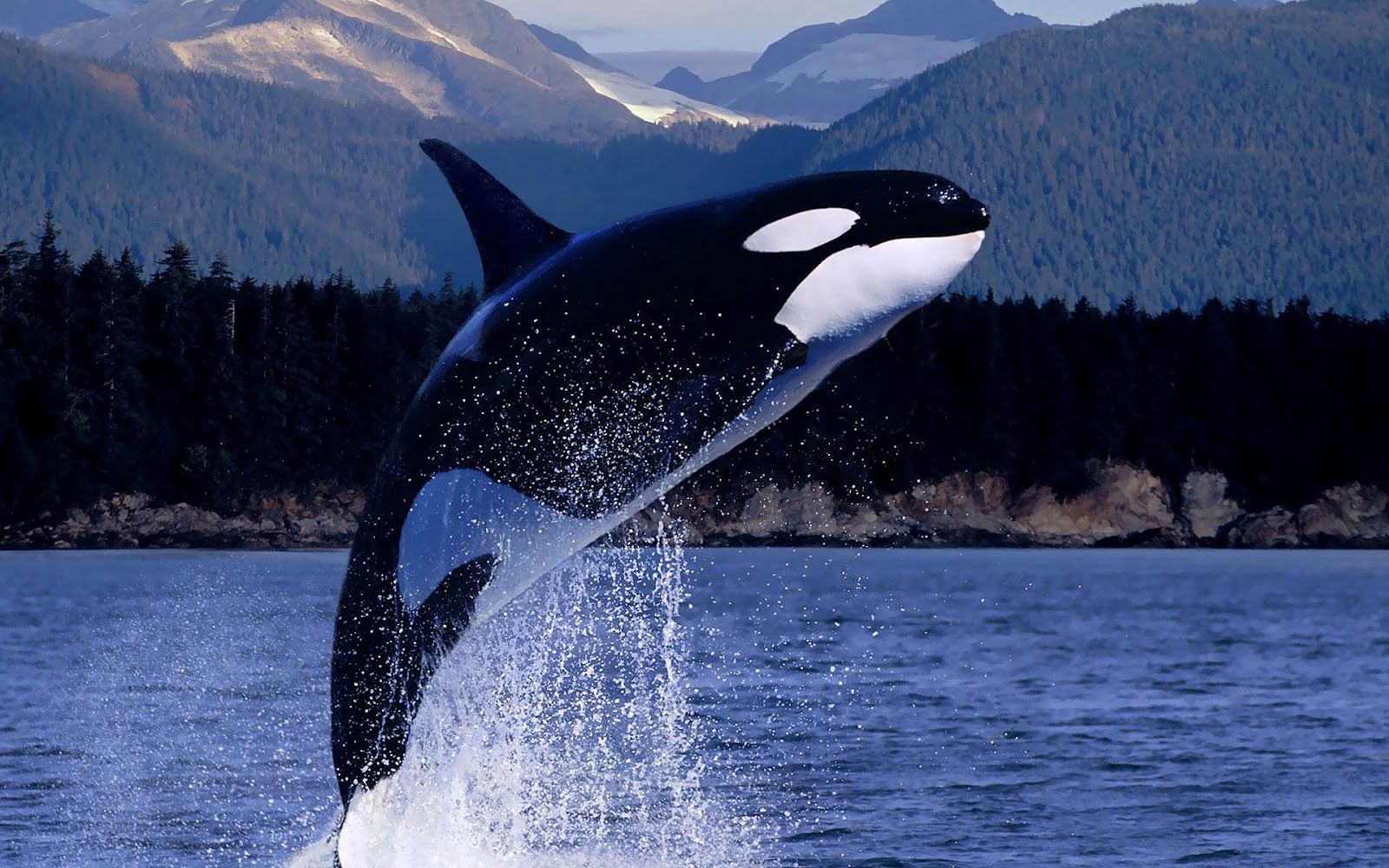
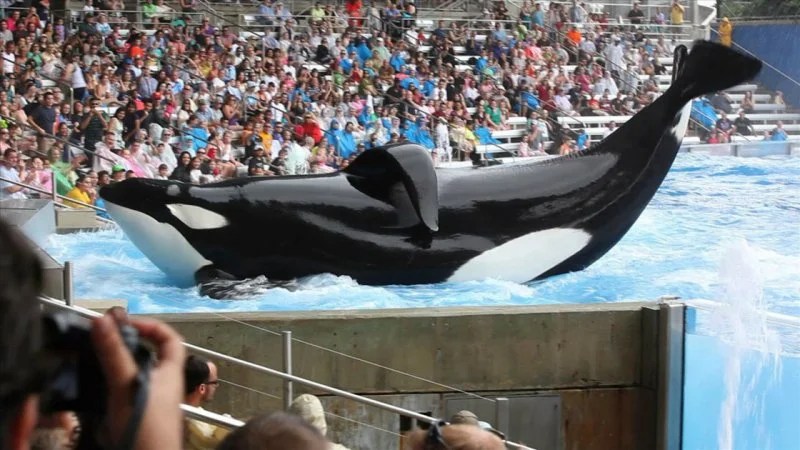
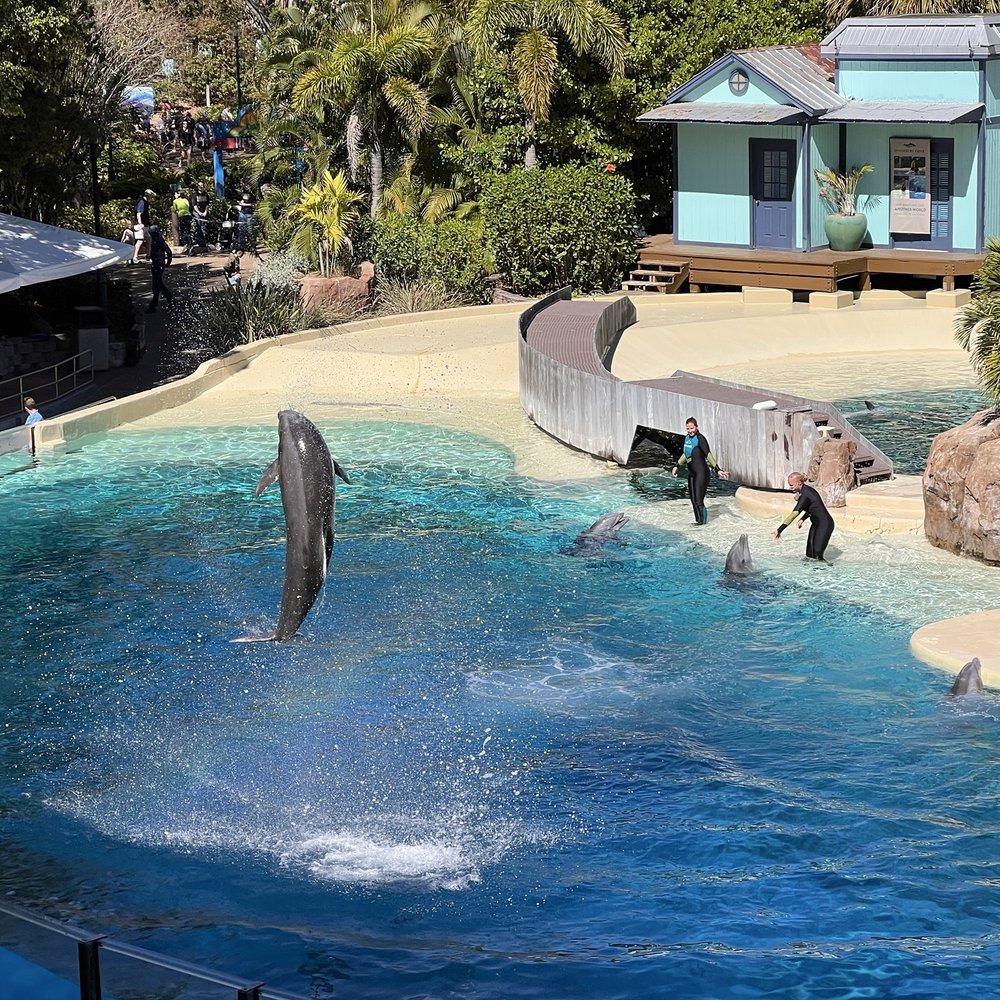
A perfect example of this marine mammal exploitation is the incidents that occur in water theme parks like SeaWorld and Sealand. At these places, they perform many interactive shows with the involvement of animals like dolphins, parrots, or orcas, and more. While in captivity, marine mammals can become sick and die from many different complications they are not acustomed to while in confinement, including extreme stress levels, bacterial diseases or infections, heart failures, ulcers, chronic colitis, etc. For instance, PETA (2026) states “More than 40 orcas have died at SeaWorld from causes such as bacterial infections and fractured skulls.” and “More than 500 other dolphins and whales along with approximately 400 pinnipeds have also died at the park.” Nonetheless, killer whales showcased the biggest negative impacts along with it’s consequences. They first started by capturing wild killer whales from the oceans in Washington. During these captures, they attempted different methods, which included using either nets, boats, guns, aircraft, spotters, speedboats, or bombs. Throughout the encounters, many of the whales were killed as bystanders from entanglement in the nets or simply for being in the way of the captors. Nonetheless, this didn’t stop them; neither did their ban in Washington, because they quickly continued to hunt them in Iceland. Killer whales are meant to hunt and live with one another in pods throughout their lives, so when these captors are separating them from their families, they are not only killing and physically hurting them but also mentally abusing them with the traumatic experiences and isolation they are causing. Even in captivity, these animals are forced to do tricks and perform, or face the consequences of food deprivation. They were also contained in a very confined space compared to the vast extremities of the ocean, which then also creates frustration and leads to them acting violently towards each other, causing them to rake each other, which involves the scratching or scraping of mammals’ flesh, as can be seen in orcas. The exploitation of marine animals for amusement was not only negatively affecting the orcas, but it also had immense consequences on humans when taking the lives of some and injuring others. For instance, the famous killer whale named Tilikum was well-known, at first for being a performer at Sealand and then for being involved in the death of three people while in captivity. All three victims were brutally mutilated, which is a clear sign of aggression from him, probably caused by repeated forms of exploitation. Yet again, the executives of the aquatic theme parks blamed the trainers to continue profiting off the animals for entertainment.
Political Repercussions
In 1972, the Marine Mammal Protection Act was passed, which prevented people from taking marine mammals from their habitat because there was a scientific concern for their depletion caused by human activities. However, there seemed to be flaws because people have continued using them for entertainment and supposed educational purposes. For instance, Hillary T. Wise states, “However, the ambiguities in the enforcement and other provisions of the Act have made it possible for organizations such as SeaWorld to get away with mistreating and scientifically misrepresenting these animals in the name of turning over a profit,” to show that this act did not end all torment. Even now, amusement parks in the U.S. like SeaWorld are continuing to use orcas, dolphins, and sea lions in their performances, claiming that they are being used for educational purposes and that their goal is to inspire visitors of the park to care for them even more, as can be seen on the website of the SeaWorld park in Orlando, FL.
Sharks on Screen
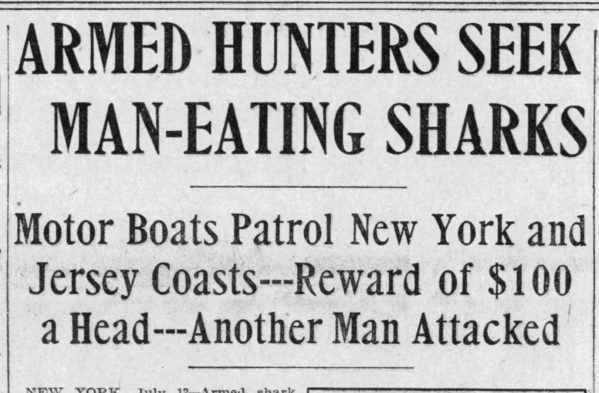
Another example of marine life exploitation is seen through sharks. For the longest time, many have seen sharks as an immense danger and threat, but where did that originate? The intense fear of sharks began spreading especially when the movie Jaws, by Peter Benchley, aired. However, Peter was not the only writer or producer to use sharks as villains in movies and shows; even children’s movies like Despicable Me incorporate sharks as terrifying creatures. This form of media introduces people, even at a young age, to a monstrous image of sharks that is far from reality due to the fusion of facts and fiction. These films led to a time period where an excessive number of people viewed it as their responsibility to kill them and even had tournaments, under the impression that they were helping and for pure amusement. An example of the consequences of using sharks for entertainment is a stuntman who died in 1969 during the production of a movie named Shark!, because they were filming with live sharks. This occurred while they were still recording, which turned out to be gruesome enough for the producer to continue to use part of the man’s filmed death in the movie, showcasing how little they cared. Another instance happened during the filming of the movie “Blue Water, White Death”, where they used real sharks and actually ended up killing one because they got frightened and simply released their boom stick on them. Another movie that exploits sharks is Mako: The Jaws of Death, where they extracted their teeth and even killed some in the process. The immense fear of sharks spread nationwide and continued, even appearing on the front page of newspapers when Australia had attack incidents due to increased surfing. Most, if not all, of these films do little to no research, leading to fabricated theories. A popular theory was the Rogue Shark theory, which was that if they could taste your flesh and blood, they would continue to stay around and become evil, wanting more human flesh, giving them the “man-eater” nickname. However, this theory has been widely discredited, yet it has been used in many productions, including Jaws, continuing a negative outlook on sharks. For example, Neff Christopher states in his research article that “The fiction from Jaws perpetuated stereotypes about sharks as villains that made false historical analogies politically valuable”. This shows them as dangerous monsters when, in reality, humans misinterpret their natural behavior.